


On grief and mortality
Date: Thursday 12 March 2026
Time: 1.00 – 6.00 p.m.
Location: Chapel of St Joost, Beukenlaan 1, Breda
Speakers: Kerrie Noonan, Xavier van Delft, Niki Read, Anne Goossensen and more.
Chair: Wouter Meys
Free event | English‑language program
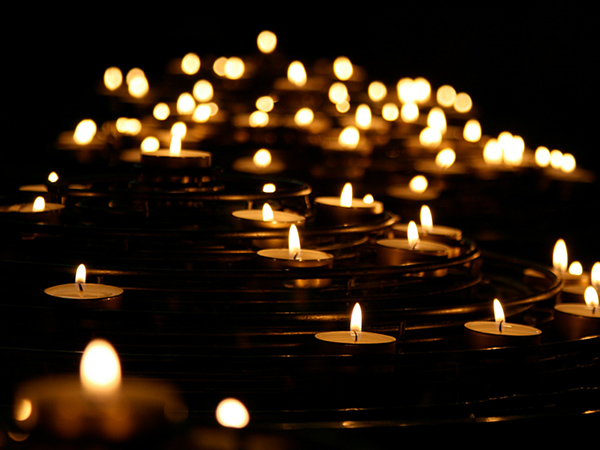
This symposium explores how mortality can become a source of creativity and benevolence for life and work. A rich mix of experts share insights on how wisdom, the concept of ‘death literacy’ and the arts can help us deal with mortality in a constructive or regenerative way. There will be ample opportunity for personal interaction with the speakers, including two prominent figures in the Death Literacy movement from Australia: Kerrie Noonan and Niki Read. On 12 March, you are welcome to attend the symposium in the Chapel of St Joost at Avans University of Applied Sciences.
Register now to sign up for this symposium. There is no charge.
Link to registration form
Programme
12:30 p.m. Registration, coffee & tea
1:00 p.m. Chair Wouter Meys (University of Applied Sciences Avans, Breda)
-
- Mini intro by dr. Kerrie Noonan (Australia)
- Mini intro by prof.dr. Anne Goossensen (Breda, the Netherlands)
1:30 p.m. Doing death literacy: the arts and phenomenology, Niki Read (AU)
2:00 p.m. The face of wisdom at the end of life, Chantal Bogers, Erika Dubbeldam, Saskia Kok (NL)
2:30 p.m. Everything becomes and nothing is: making loss visible through shared art, Xavier van Delft (NL)
3:00 p.m. Break – coffee & tea – interaction
3:20 p.m. Open Space dynamics. Structured mutual interaction to explore topics presented earlier (in small groups in the 4 corners of the conference room) through conversations or expressive making:
-
- Niki Read: Doing death literacy
- Xavier van Delft: Hidden Stories, Grief & Art
- Chantal Bogers, Erika Dubbeldam, Saskia Kok: Wisdom Perspective
- Anne Goossensen: Rituals & death literacy
4.15 p.m. Kerrie Noonan: Reflections & next steps from the expert in death literacy
4:45 p.m. Networking & drinks
Speakers
Kerrie Noonan with over 30 years’ experience in palliative care, Dr Kerrie Noonan’s work focuses on public health approaches, death and grief literacy, and compassionate community responses to dying and bereavement in Australia and internationally. She is a clinical psychologist and social researcher, founder of the Death Literacy Institute, and Vice President of Public Health Palliative Care International. She also serves as co-convenor of the International Symposium on Death Literacy. Kerrie’s work positions death literacy as a socially grounded concept shaped through experience, relationships, culture, and local context. Her research highlights the central role of everyday networks, families, neighbours, volunteers, and communities, in supporting people at times of serious illness, dying, and bereavement. Working across rural, regional, and metropolitan settings, Kerrie collaborates with communities, health services, policymakers, and designers to translate research into practical tools, education, and compassionate community initiatives. Her approach brings together evidence, lived experience, and systems thinking, with a strong focus on social connection, equity, and collective responsibility at the end of life.
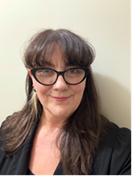
Niki Read has been at the forefront of the death literacy movement for over 15 years. Her work in the sector has spanned research, arts and health, funeral services, community development and education, and includes social and arts-based approaches to death, dying, memorialisation and bereavement. Niki’s creative practice has included the visual arts, installation, writing, theatre design, arts management, community arts and a few forays into performance. Niki graduated from WSU with a Visual Arts degree in the 1990’s. Common themes in her work include loss and grief, social justice, climate and feminist issues, her love of nature, and birds, lots of birds.
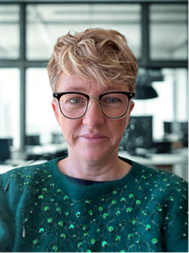
Wouter Meys is Manager at the Centre of Applied Research of Art, Design & Technology (CARADT) and Deputy Director of ACI. He holds a bachelor’s degree in Electrical Engineering and a master’s degree in Information Science. His career began in education and research within the creative industries and evolved into various management roles in applied research.
Wouter has worked as a research coordinator and programme manager for several research departments and lectorates. Operating at the intersection of art, design, and technology, he is the lead for the National Research Agenda (Nationale Wetenschapsagenda) Route Art and is actively committed to strengthening the third cycle in higher professional education, particularly the development of the Master the Professional Doctorate (PD) programme. He is passionate about applied research that addresses societal challenges and fosters creativity and imagination by connecting research, education, industry, and society.
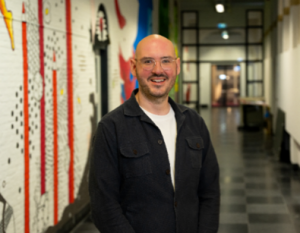
Xavier van Delft is a documentary filmmaker, animator and visual storyteller whose work explores the fault lines of contemporary society through an intensely personal and poetic lens. Trained in Media & Design (BA) in Groningen and MA in Film in the United Kingdom, he brings together a rigorous visual arts background and a keen documentary instinct for social realities, memory and loss.
His ongoing project Verborgen Verhalen (Hidden Stories) unlocks local histories through animated heritage narratives made in collaboration with museums and cultural institutions across Noord-Brabant and Gelderland, while his long-term documentary De Energie van Leegte examines the emotional, ecological and spiritual costs of our capitalist energy system. Marked by a profound experience of grief after the death of his father, Xavier’s practice embraces drawing and animation as daily rituals of mourning and as ways to bring people together around loss, wanting to create films, installations and workshops that invite shared reflection and care. From this foundation, he is now aiming and developing an artistic research practice that investigates loss and how that can be translated into a shared ritual and a possible form of healing.
Anne Goossensen works as Lector (Research Professor) of Care at the End of Life at Avans University of Applied Sciences and Professor in Listening at the University of Humanistic Studies. She has spent over three decades designing and leading research on humanization in care from a care ethical perspective. Key topics are: Care Ethics, Theory of Presence, care relationships, communication, listening.
Her work explores death literacy and grief literacy as shared cultural practices, as shaped by language, ritual, story, and the arts. She connects research, education, and community initiatives, and was founder and chair of Villa TrösT in Dordrecht, a compassionate community for people living with bereavement.